
Holiday visits and gatherings can bring changes to children’s routines, unfamiliar settings and more distractions for adults.
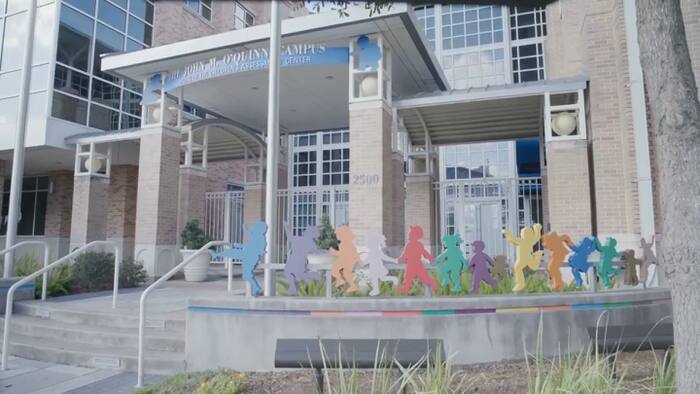
Kerry McCracken, executive director of the Children’s Assessment Center, says those disruptions make it a good time for parents and caregivers to review safety expectations with children.
“Anytime there’s disruptions, children do become a little more vulnerable,” McCracken said.
Children may be visiting homes they don’t know well, whether they belong to strangers or relatives they see less often.
McCracken said statistics show children know the person who harms them about 90% of the time. She encouraged families to talk before a gathering about personal boundaries and to make sure children know they can speak up if something feels uncomfortable.
“Let them know that their body is their body,” she said. “Empower them to say no.”
That includes letting children decline hugs or other affection, even from relatives. Parents can reinforce that speaking up is okay and that a child can come to them with concerns.
For sleepovers, McCracken recommends asking who will be supervising, who else will be in the home and where the child will sleep. Children should also know how to contact a parent if they feel uncomfortable.
She said routine conversations can help these discussions feel natural. Parents can explain the plan when a child is going somewhere new, such as a friend’s home, a school or a park, and remind them they can check in.
McCracken also urged caregivers to notice behavioral changes without jumping to conclusions.
Warning signs may include an adult showing unusually intense interest in a child or repeatedly inserting themselves into the family’s routines. A child who suddenly avoids a person or an activity they previously enjoyed may also need a check-in.
Other changes can include regression, such as bedwetting after a child was potty trained, or shifts in appearance and grooming. McCracken emphasized that any one sign can have many explanations.
“Don’t panic,” she said. “Just use that as an opportunity to talk to your child. Keep that conversation going.”
The Children’s Assessment Center offers information and prevention trainings for community members. McCracken said adults can attend a training at the center or invite staff to speak to a school, church or other group.


